Inspection and moisture tracing
We look for the moisture source first, then check common hiding places like behind baseboards, under sinks, around returns, and in wall cavities when signs point that way.
Serving Huntsville, Alabama & surrounding areas
24/7 Emergency Response
One call instead of ten No web forms, no callback spam 24/7 Emergency Response
Mold removal · Huntsville, AL
If you smell a musty odor, see staining, or have had a recent leak, the next step is a careful inspection and a clear remediation plan. We remove mold at the source, control spread, and help prevent it from coming back.
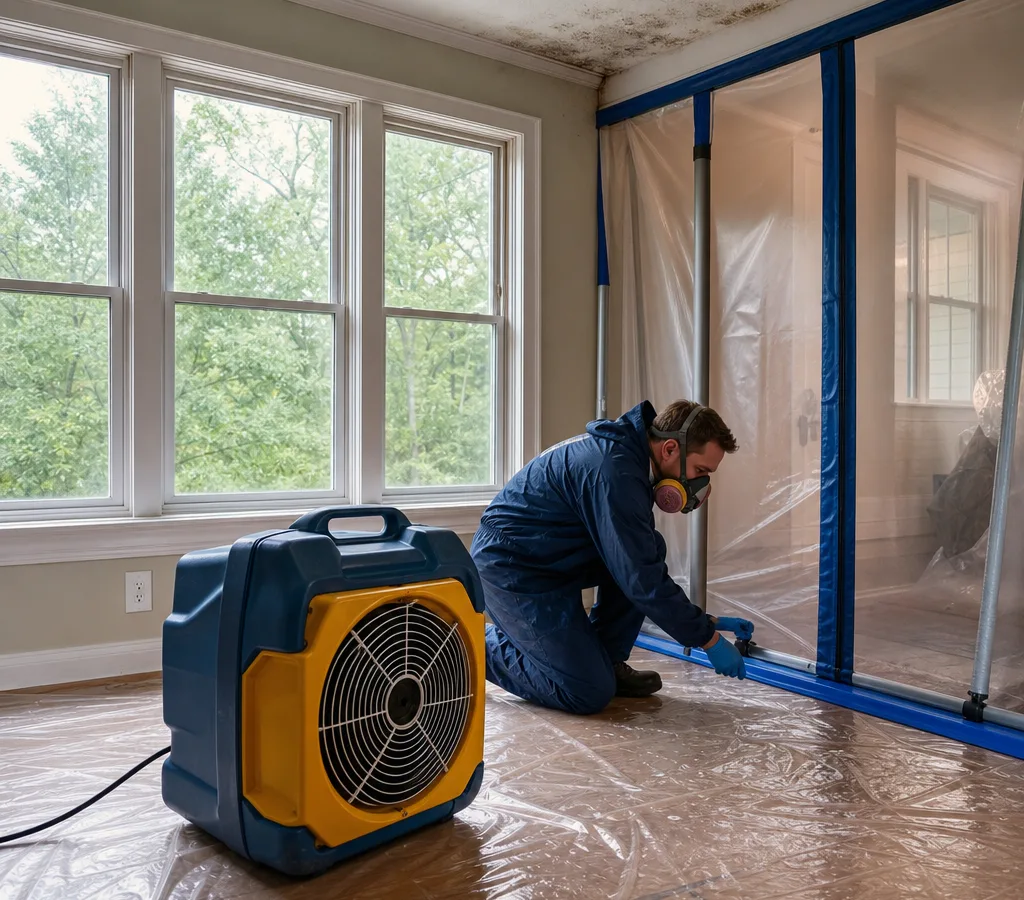
Source-first remediation
Searching for mold-removal-huntsville-alabama usually means something has already tipped you off: a damp smell, visible growth around a vent or window, bubbling paint, or allergy-like symptoms that flare up indoors. Mold does not fix itself, and spraying bleach on the surface often leaves the hidden problem behind.
Mold Removal Huntsville provides mold inspection and remediation for homes and small commercial spaces in Huntsville, AL 35804. We focus on three things on every job: find and document where the moisture is coming from, remove contaminated materials safely with proper containment, and dry and clean the area so the conditions that supported growth are gone.
In North Alabama, humid seasons and storm-driven leaks can turn small wet spots into a bigger issue fast. Even a minor roof leak, a slow plumbing drip, or a sweating HVAC line can keep drywall, insulation, or framing damp long enough for growth to spread into cavities you cannot see. The goal is a clean, dry structure, not a temporary cover-up.
Complete remediation scope
We look for the moisture source first, then check common hiding places like behind baseboards, under sinks, around returns, and in wall cavities when signs point that way.
We isolate the work area with plastic barriers and maintain negative pressure with filtration so spores and dust stay controlled during removal.
When building materials are too porous to clean reliably—often drywall, insulation, and carpet pad—we remove and bag them for proper disposal.
We HEPA vacuum and clean remaining surfaces, then apply professional-grade antimicrobial products where appropriate for the material and conditions.
Drying is measured, not guessed. We use dehumidification and air movement as needed and verify moisture levels before the area is closed back in.
You get a written scope describing affected areas, what was removed or cleaned, and what needs to happen next, including repairs, humidity control, or monitoring.
Local moisture patterns
Mold problems often follow water, and water follows patterns. In Huntsville, we commonly see issues after plumbing leaks, roof leaks, overflowing tubs, condensation around HVAC equipment, or chronic high indoor humidity.
Some situations we handle often:
Neighborhood-to-neighborhood, the trigger can vary. Older homes in areas like Five Points may have more opportunities for hidden moisture in wall cavities after a long-term small leak. Newer construction in places like Madison can still develop mold around HVAC and building-envelope details if humidity stays high.
The remediation plan depends on what is wet, what is contaminated, and what can be cleaned versus what needs removal.
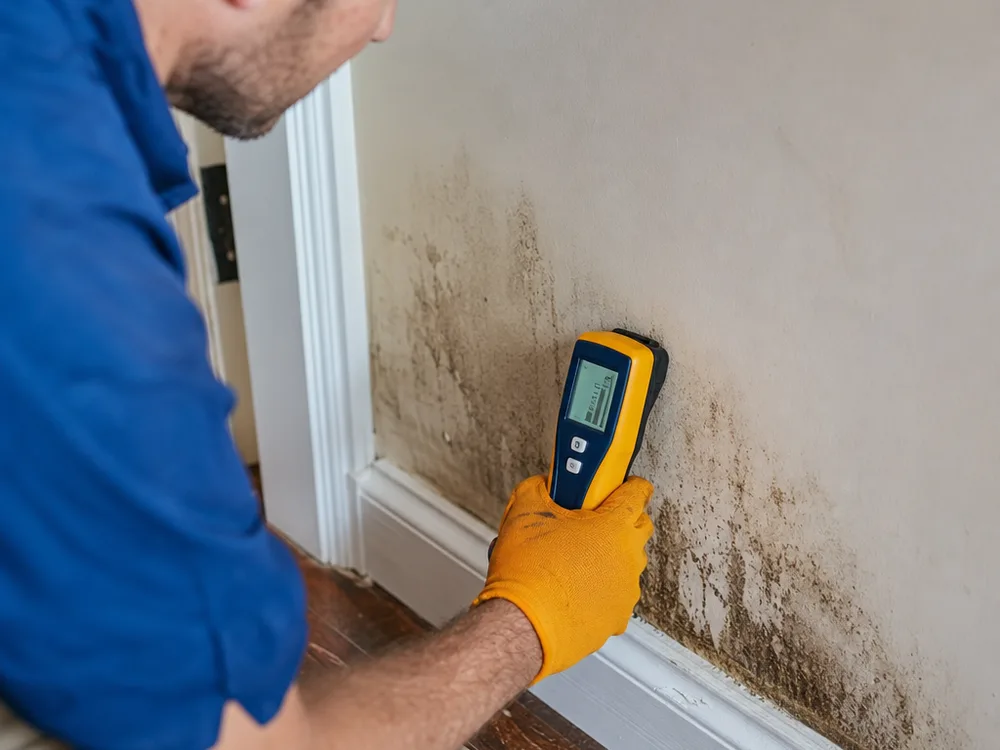
Controlled from start to finish
We start with what you are noticing, then check adjacent areas and likely pathways. If the water source is active, stopping it is the first priority before remediation can be effective.
We protect floors and contents, isolate the work zone, and set up air filtration. This controls dust and helps prevent cross-contamination to clean areas.
Non-salvageable porous materials are removed. Semi-porous and non-porous surfaces are cleaned with methods appropriate for the substrate, then detailed with HEPA vacuuming.
We dry the area using dehumidification and air movement and track moisture until materials reach acceptable levels for closure and repair.
We perform a detailed cleaning of the containment area, remove barriers, and provide documentation of what was done and what repairs or prevention steps are recommended.
Pricing context
Most mold-removal projects in Huntsville typically range from about $800 to $3,500, with small, contained areas sometimes closer to $500 to $1,200 and larger, multi-area remediation running $4,000+ when demolition, drying, and access challenges stack up. Your final price depends on the size of the affected area, what materials are contaminated, how much containment is required, and whether drying equipment is needed. The exact cost is confirmed after an on-site inspection and a written scope.
📞 Huntsville • 24/7 ResponseHire with confidence
Mold remediation is one of those services where the details matter. Two quotes can look similar on the surface and deliver very different outcomes if containment, removal, or drying steps are skipped.
Ask these questions during scheduling or the inspection:
Listen for a plan that includes containment, negative air, and HEPA filtration during removal.
Drywall, insulation, and carpet pad often cannot be cleaned reliably if contaminated. The scope should explain why each material is treated or removed.
Moisture readings should guide decisions before a space is closed back in—not simply the amount of time equipment has been running.
A good team explains how to clear access, protect valuables, and plan for pets or children before work begins.
If the situation appears extensive, or if there are health concerns, it can help to have an independent mold assessment for sampling and a remediation protocol before work begins. For many homes, a careful visual inspection paired with moisture tracing is enough to build an effective scope.
Homeowner experiences
“After a slow leak under our kitchen sink, the cabinet base and drywall started to smell musty. The crew isolated the area, removed what needed to come out, and showed us the moisture readings before closing anything back in. The smell was gone and we finally felt comfortable using the space again.”
Alyssa R.
“We had staining around a bathroom vent that kept coming back after repainting. They explained the humidity issue, cleaned the affected area properly, and the follow-up recommendations were practical.”
Marcus T.
Straight answers
Start times depend on current demand and the urgency of the moisture issue, but many situations can be scheduled quickly once the affected area is identified and access is clear. If there is active water, stopping and drying it first prevents the scope from growing before remediation begins.
It can be safe to remain in the home when the affected area is properly contained and the work zone is isolated, but it depends on location, extent, and health considerations. If growth is in a main living area, involves multiple rooms, or someone has respiratory sensitivity, plan for limited access or temporary relocation during removal.
We remove porous materials that cannot be cleaned reliably once contaminated, which commonly includes drywall and insulation in the affected area. Cleaning and antimicrobial treatment are used on materials that can be salvaged, but removal is often correct when growth is embedded or the material stayed wet long enough to be compromised.
Mold returns when moisture returns. Common causes include an unresolved leak, condensation around HVAC or ducts, high indoor humidity, or closing in a space before it is fully dry. Proper remediation includes moisture verification and clear prevention steps.
Yes. These are common places for hidden growth because ventilation, insulation, and seasonal humidity all affect them. The key is identifying why the space stays damp—roof leaks, condensation, poor airflow, or ground moisture—and addressing that alongside remediation.
Many homeowners start by documenting the water source and affected materials, then checking coverage with their carrier because coverage often depends on the cause. We can provide a clear written scope and photos of affected areas so you have information to discuss the claim and next steps.
A clear next step
Tell us what you are seeing and where it is happening. We will schedule an inspection, explain the scope in plain language, and outline the safest path to a clean, dry space.